
Our Wurlitzer Organ
An Oil City original. Still making music.
Built in 1928 for Oil City’s Latonia Theatre, our Wurlitzer theatre organ brings the sounds of classic cinema to Venango Museum. Its pipes, percussion instruments, and sound effects give one musician an extraordinary range of sounds—from a quiet melody to the excitement of a chase.
Today, it connects audiences with Oil City’s entertainment history through live performances and our Silent Film Series.

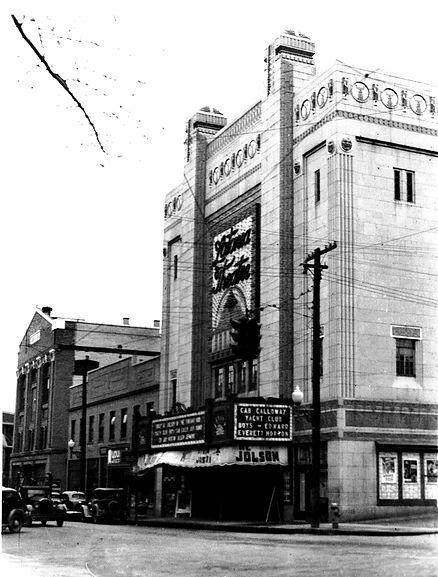
From the Latonia
to the Museum
The Wurlitzer began its life at the Latonia Theatre in 1928, just as movies with recorded sound were changing the cinema experience. Beyond accompanying silent films, theatre organs could provide music before and after screenings and for special events.
After the Latonia closed in 1969, George Shaw and Harry Parker purchased and removed the organ. It spent years in storage in a local barn before Shaw donated it to Venango Museum in 1988.
Bringing it back to life took years of volunteer work. A workshop in the museum’s basement became the center of efforts to repair and recondition the instrument. Parts damaged during storage were replaced, and a new chamber for the pipes was created in a wing of the former post office’s lobby that houses the museum.
In 1997, the organ made its debut in its new home.
An Orchestra
in One Instrument
620 pipes. Real percussion. No amplification.
What you hear comes from real pipes and percussion instruments. The organ produces its sound acoustically, without amplification.
Its 620 pipes create a range of musical voices, including flute, violin, and tuba sounds. Other voices give the theatre organ its distinctive character, from the broad flute-like sound of the Tibia Clausa to the wavering, voice-like tone of the Vox Humana.
The keyboards and controls let the organist combine these sounds, changing the mood as the action unfolds on screen.


More Than Pipes
The Wurlitzer also plays percussion instruments, including a xylophone, glockenspiel, chimes, drums, cymbals, and tambourine.
Its sound effects add another layer of storytelling: a train whistle, horses’ hooves, a car horn, a doorbell, and more.
These are physical instruments and mechanisms, operated from the organ console. Together, they help a single performer create music, rhythm, and dramatic effects.
Behind the Sound
A large blower in the museum’s basement supplies the air that makes the pipes speak. Above the pipe chamber’s window, wooden shutters open and close to control how much sound reaches the gallery.
The organ also has a recording and playback system. It can reproduce a recorded performance by operating the instrument itself—so you’re hearing the organ play, rather than a recording through speakers.


Preserving Its Sound
Keeping a historic theatre organ playing requires ongoing care.
Following an investigation into problems with the instrument, Venango Museum contracted Musical Restorations LLC of Dayton, Virginia, to undertake a phased restoration. The work addresses deteriorating materials, notes that no longer sound, and other mechanical problems.
The goal is to return the organ to full functionality and keep this piece of Oil City’s musical history playing for future audiences.
Historical and technical information provided by Andrew Moore.